
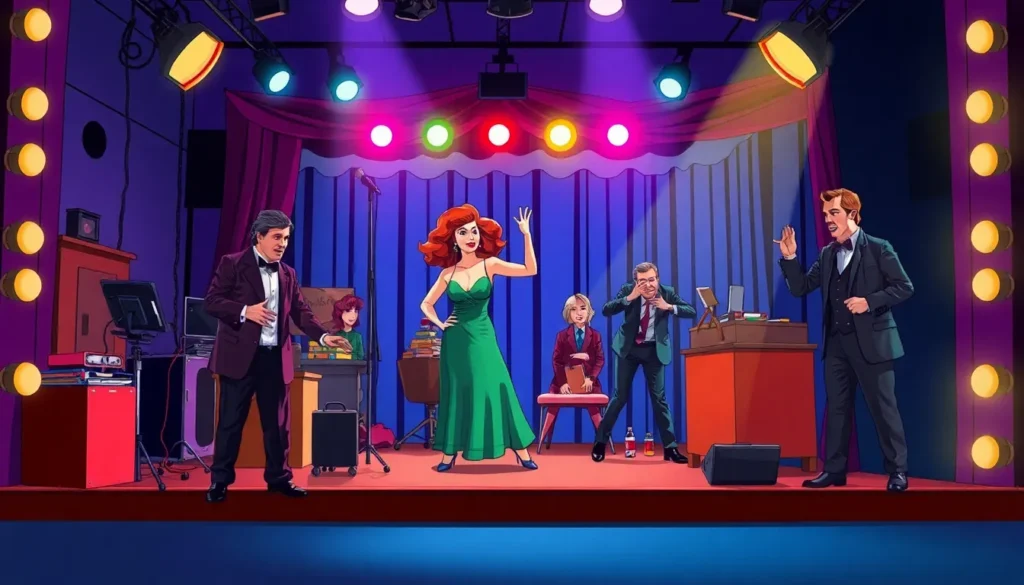
In the chaotic world of “The Play That Goes Wrong,” nothing is as it seems. Audiences are treated to a hilarious disaster where every character adds to the delightful mayhem. From the bumbling director to the overly dramatic actors, each role is a recipe for laughter and unexpected twists.
As the story unfolds, it becomes clear that these characters are not just playing a part; they’re living the ultimate comedy of errors. With every mishap and miscommunication, the ensemble showcases the beauty of theatrical chaos. Whether it’s a missing prop or a forgotten line, the characters’ over-the-top reactions keep everyone on the edge of their seats. Dive into the world of these unforgettable characters and discover how their quirks and blunders create a masterpiece of comedic brilliance.
Overview of The Play That Goes Wrong
“The Play That Goes Wrong” features a blend of characters whose antics propel the narrative forward. The director, Chris Bean, embodies the passion and delusion often found in creative leadership. He faces constant challenges, struggling to maintain control amidst mounting chaos. Meanwhile, Robert, an insecure actor, thrives on overacting, adding layers of humor through his exaggerated responses.
Another key character, Annie, serves as the pragmatic stage manager. Her attempts to restore order often lead to humorous interactions with her fellow performers, showcasing her frustration and comedic timing. Additionally, Sandra, portraying the lead female role, leans into melodrama, often taking situations far too seriously. This contrast serves to amplify the comedic turmoil on stage.
Jonathan, another actor, brings wit and charm to his role, even as he grapples with unexpected mishaps. His calm demeanor contrasts sharply with the increasing absurdity around him. Additionally, the character of Dennis, playing the butler, provides a comedic foil with his unintentional blunders contributing significantly to the unfolding chaos.
The ensemble cast’s chemistry strengthens the comedic value of the production. Each character’s unique quirks and missteps create a delightful interplay, driving the storyline to new heights of hilarity. As the play unfolds, misunderstandings and malfunctions compound the humor, drawing the audience into the whirlwind of errors and surprises. This dynamic atmosphere keeps viewers engaged and entertained, highlighting the brilliance of theatrical comedy.
Main Characters
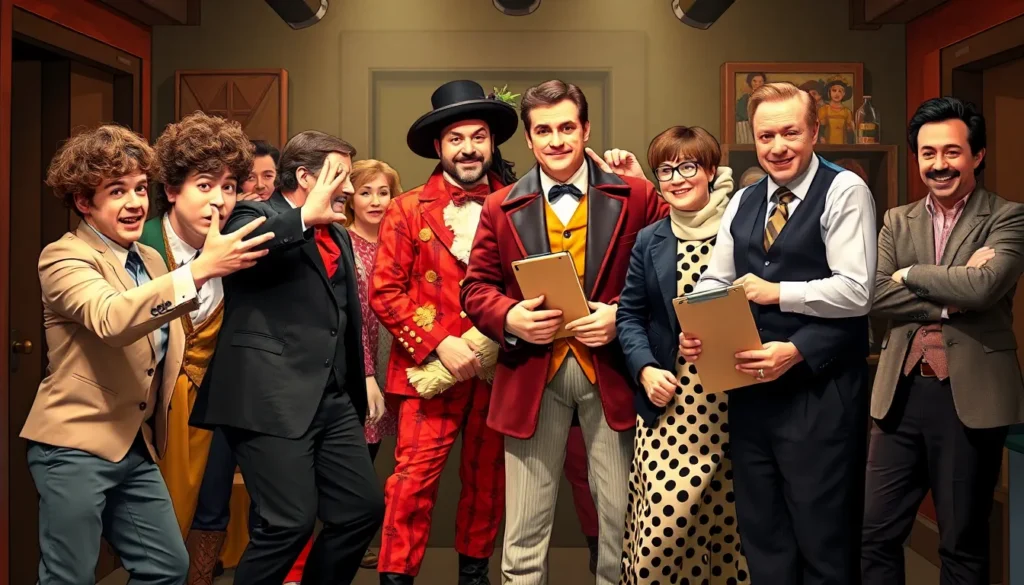
The characters in “The Play That Goes Wrong” bring the comedic chaos to life through their distinct personalities and interactions. Each one plays a crucial role in amplifying the hilarity of the production.
Chris Bean
Chris Bean serves as the director and is driven by enthusiasm and a desire for perfection. His delusions of grandeur often lead to unexpected complications. He struggles to maintain control over the unfolding disasters. As a result, his passionate efforts to ensure a smooth performance inadvertently increase the comic disaster. Audiences find his earnestness relatable.
Robert Grove
Robert Grove thrives on the art of overacting. He embodies the spirit of melodrama, embracing every moment with exaggerated intensity. His antics heighten the absurdity, drawing laughs from the audience. Despite his theatrical flair, he often misinterprets scenes, leading to even more humorous blunders. These moments reflect his commitment to performance, making him a memorable character.
Annie Twilloil
Annie Twilloil stands out as the pragmatic stage manager. She constantly attempts to bring order to the chaos surrounding her. Her dry wit adds a layer of humor amidst the madness. Frustration emerges as she navigates the blunders of her co-stars, leading to hilarious exchanges. Audiences appreciate her determination, as she represents the voice of reason in a world spiraling into hilarity.
Jonathan
Jonathan injects charm and wit into the play, balancing the chaos around him. His ability to remain composed amid the absurd situations adds depth to his character. Clever remarks keep audiences engaged and lighthearted. As he navigates the unfolding errors, his interactions with other characters showcase his likability. Viewers enjoy watching his reactions to the escalating madness.
Supporting Characters
Supporting characters in “The Play That Goes Wrong” enrich the comedic chaos, adding layers of humor and unexpected twists. Their interactions propel the storyline forward while heightening the absurdity.
Sandra
Sandra embodies dramatic flair. Her tendency toward melodrama amplifies the comedic stakes throughout the performance. Viewers see her perform exaggerated reactions that enhance the play’s humor. While she aims for elegance, her character often finds herself in laughable predicaments. This contrast between her intentions and actual outcomes creates memorable moments. Ultimately, Sandra’s antics contribute significantly to the overall hilarity of the play.
Trevor
Trevor serves as a pivotal character in the ensemble. His character provides comic relief through a series of blunders. Awareness of his shortcomings doesn’t hinder his enthusiastic pursuits. Rather, he embraces the chaos surrounding him, generating laughter through his interactions with other cast members. Trevor’s blend of earnestness and ineptitude showcases the unpredictability of the stage. This combination ensures he remains a fan favorite throughout the production.
Additional Roles
Additional roles enhance the play’s comedic narrative. Each character, from the bumbling stagehands to eccentric audience members, contributes to the unfolding chaos. Their offbeat personalities create moments of engagement that captivate the audience. Unique interactions among these characters provide fresh comedic angles and surprising turns. Collectively, they enrich the ensemble, supporting the main storyline while reaffirming the play’s mission of laughter. Their presence transforms the performance into a delightful spectacle.
Character Dynamics and Relationships
Character interactions in “The Play That Goes Wrong” amplify the comedic elements throughout the performance. Chris Bean, the delusional director, grapples with his overconfidence, impacting his ability to steer the production effectively. His frantic efforts often clash with Robert’s tendency to overact, leading to a humorous tug-of-war for attention on stage.
Sandra thrives on drama, often countering Robert’s antics with her own exaggerated expressions, creating a dynamic tension that fuels laughter. Annie, the pragmatic stage manager, frequently throws her hands up in exasperation, embodying the frustration that comes with trying to manage such chaos. Her interactions with Jonathan, who interjects his clever remarks, offer a witty balance to the unfolding absurdities.
Dennis, cast as the bumbling butler, adds a layer of intrigue with his unintentional mistakes. He inadvertently disrupts pivotal moments, generating hilarious outcomes that keep the audience engaged. Supporting characters, like Trevor, bring essential comic relief, navigating the chaos with their own charming blunders.
The ensemble cast works in harmony, enhancing the comedic rhythm. Together, they create unforgettable moments, driven by miscommunication and larger-than-life personalities. Each character contributes uniquely to the unfolding chaos, reinforcing the play’s commitment to humor, while surprising plot twists emerge from their interactions, captivating the audience.
The characters in “The Play That Goes Wrong” exemplify the beauty of theatrical chaos. Their unique traits and interactions create a tapestry of humor that captivates audiences. From Chris Bean’s misguided leadership to Annie’s desperate attempts at order, each role adds depth to the comedic narrative.
Supporting characters like Trevor and Sandra further elevate the hilarity, showcasing the power of exaggerated reactions and unexpected blunders. Together, they form an ensemble that not only entertains but also highlights the charm of live theater. This delightful mix of personalities ensures that every performance is a fresh experience filled with laughter and surprises.


