
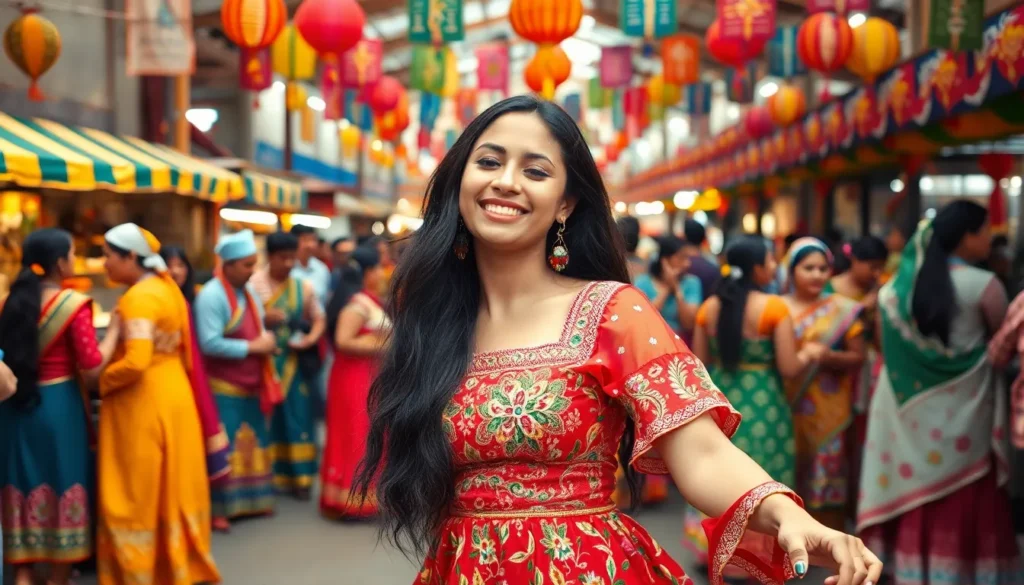
Ethnic festivals are like a delightful buffet for the senses, serving up a feast of culture, tradition, and community spirit. Imagine stepping into a world where vibrant colors, tantalizing aromas, and infectious rhythms swirl around you. These celebrations showcase the rich tapestry of human experience, allowing everyone to dive into unique customs and flavors without needing a passport.
Overview Of Ethnic Festivals
Ethnic festivals showcase a diverse array of cultures and traditions. These celebrations provide unique opportunities to engage with heritage through music, dance, and culinary delights. Communities unite during these events, fostering a sense of belonging and pride.
Festivals often highlight specific cultural customs, such as Diwali for Hindus, Mardi Gras for those embracing New Orleans heritage, or Chinese New Year for the Asian community. Each festival has distinct features, from traditional attire to specific rituals that celebrate identity.
Culinary experiences play a central role in various ethnic festivals. Attendees can savor traditional foods, such as paella at Spanish festivals, dumplings during Chinese celebrations, or jerk chicken at Caribbean events. These dishes offer a taste of the associated culture, filling the atmosphere with enticing aromas.
Artistic performances enhance the festival ambiance. Musical acts, dance performances, and art displays reflect the unique artistic expressions of each culture. Many festivals include workshops for crafts, allowing participants to learn traditional skills like calligraphy or pottery.
Participation in ethnic festivals promotes cultural exchange. People gather to share their customs, stories, and traditions, fostering mutual respect and understanding. By engaging with others, attendees experience a deeper connection to the diverse world around them.
Some ethnic festivals also focus on social issues, raising awareness about cultural preservation and community support. Organizations often use these events to promote local artisans or address relevant societal challenges, emphasizing the importance of cultural heritage.
Overall, ethnic festivals remain vital for community cohesion and cultural appreciation, making them key events in many regions worldwide.
Cultural Significance
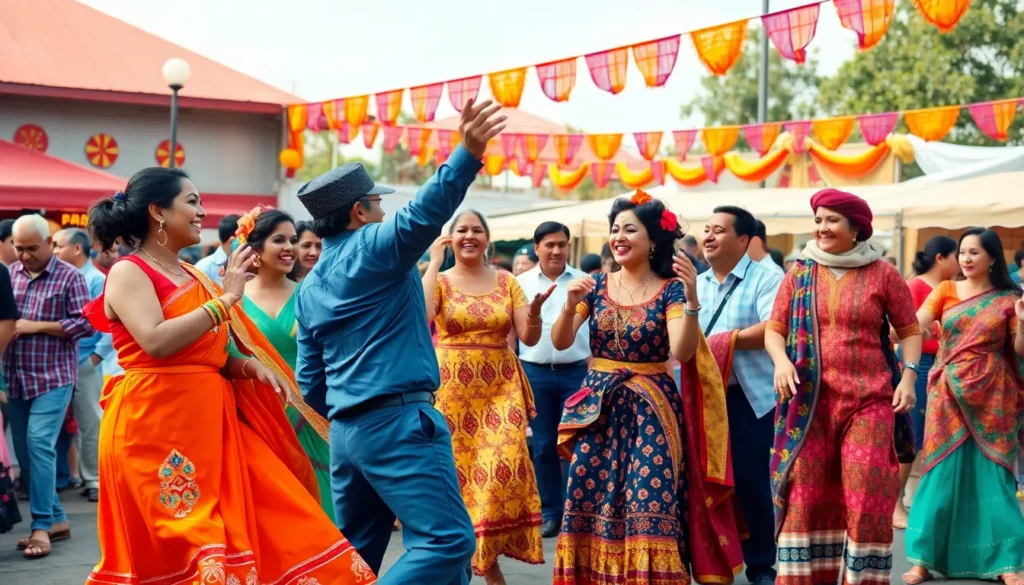
Ethnic festivals hold immense cultural significance, celebrating the diversity and richness of human heritage. These events serve as platforms for communities to express their identity and connect with their roots.
Preservation Of Traditions
Preserving traditions occurs through vibrant displays of age-old customs. Participants engage in rituals handed down through generations, ensuring cultural legacies endure. Festivals showcase traditional music, dance, and crafts, presenting opportunities for community members to participate actively. Authentic recipes for dishes like tamales and baklava are shared, fostering appreciation for culinary heritage. Workshops during these events teach skills like weaving and pottery, allowing participants to learn and practice traditional arts. By prioritizing preservation, ethnic festivals act as living museums of culture, offering insights into a community’s history and values.
Community Identity
Community identity thrives within the framework of ethnic festivals. These celebrations unite individuals from diverse backgrounds, fostering a sense of belonging. Attendees often wear traditional attire, showcasing pride in their heritage. Shared experiences during festivals strengthen ties among community members, promoting collective identity. Events like parades and communal feasts reflect the unique characteristics of each culture, forging connections beyond cultural origins. Conversations spark among attendees, promoting understanding and appreciation across ethnic lines. Ethnic festivals ultimately enhance community identity, providing an essential platform for cultural expression and celebration.
Types Of Ethnic Festivals
Ethnic festivals encompass a variety of celebratory experiences that highlight different aspects of cultural heritage. These festivals often fall into distinct categories, each showcasing unique elements that reflect the rich tapestry of global traditions.
Music And Dance Festivals
Music and dance festivals celebrate rhythm and movement, drawing attendees into the lively atmosphere of cultural expression. Traditional music performances may include drumming, singing, and instrumental showcases, while dance showcases feature styles unique to specific cultures. Diverse genres, from Flamenco in Spain to African drumming, exhibit the vibrancy of various heritages. Engaging in these festivals allows visitors to participate in group dances, fostering a sense of community and shared joy. Families often attend together, creating lasting memories while being immersed in the sounds and movements of different cultures.
Food Festivals
Food festivals serve as a feast for the senses, offering a mouthwatering overview of culinary traditions. Attendees can savor traditional dishes like curry, empanadas, and sushi, illustrating the diversity of global cuisines. Sampling regional specialties creates an opportunity for culinary exploration, bringing communities together over shared meals. Cooking demonstrations often accompany these events, allowing visitors to learn about food preparation techniques and ingredient sourcing. Food stalls buzz with energy as vendors share recipes and the stories behind their dishes, enhancing cultural appreciation through authentic flavors.
Art And Crafts Festivals
Art and crafts festivals showcase creative expressions rooted in cultural traditions. Artisans display handmade crafts, including textiles, pottery, and paintings, reflecting the skills passed down through generations. Demonstrations often highlight various techniques, giving festival-goers a chance to try their hand at traditional crafts. Galleries and booths filled with unique pieces offer insights into the artistry and symbolism inherent in cultural practices. These festivals encourage attendees to support local artists while gaining a deeper understanding of cultural narratives through artistic expression.
Popular Ethnic Festivals Around The World
Ethnic festivals display the rich tapestry of global cultures. They bring communities together, allowing attendees to immerse themselves in unique traditions and celebrations.
Diwali
Diwali, known as the Festival of Lights, celebrates the victory of light over darkness. This Hindu festival involves elaborate decorations, festive fireworks, and the lighting of oil lamps. Families gather to perform rituals and share sweets, symbolizing love and togetherness. Firecrackers light up the sky as people exchange gifts and enjoy feasts filled with traditional dishes like samosas and ladoos. In addition, music and dance performances create a lively atmosphere, enhancing communal bonds during this significant celebration.
Carnival
Carnival, particularly renowned in Brazil, marks a vibrant celebration before Lent. Participants adorn themselves in extravagant costumes, often featuring feathers and sequins. Parades filled with samba music draw crowds into the streets, creating an electrifying atmosphere. Dancing and revelry showcase both tradition and creativity, as people celebrate their culture’s unique heritage. Local foods, such as feijoada and pastéis, add flavor to this cultural experience, allowing attendees to savor the essence of Brazilian cuisine.
Lunar New Year
Lunar New Year, celebrated in various Asian countries, marks the arrival of spring and the new lunar calendar. Traditional family reunions play a central role, with members gathering for festive meals that include dumplings and rice cakes. During this time, vibrant lion dances and firework displays honor deities and ancestors, fostering respect for cultural traditions. Red envelopes containing money symbolize good luck and prosperity, delighting children and adults alike. This festival encourages reflection and renewal, strengthening familial and communal ties and showcasing the beauty of diverse traditions.
Ethnic festivals are more than just celebrations; they’re vital expressions of cultural identity and community spirit. These events create spaces where traditions come alive and connections are forged across diverse backgrounds. As attendees immerse themselves in music, dance, and culinary delights, they not only experience different cultures but also contribute to the preservation of heritage.
By participating in these vibrant festivities, individuals strengthen their ties to their roots while fostering appreciation and understanding among various communities. Ethnic festivals serve as a reminder of the beauty found in diversity, making them essential gatherings that enrich society as a whole.


