
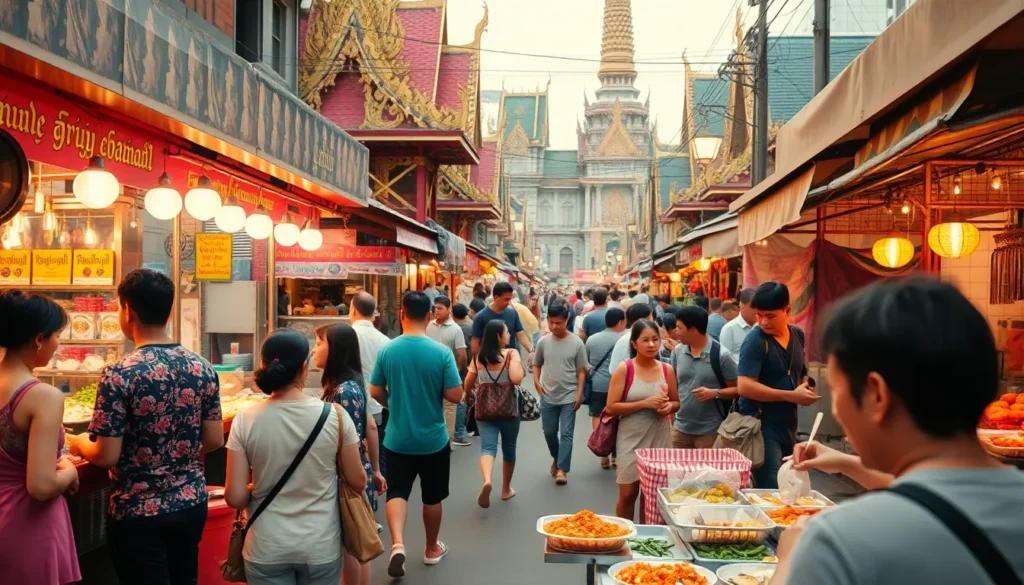
From the spicy street food of Bangkok to the elegant tea ceremonies of Kyoto, the world’s cultures are a buffet of flavors, traditions, and quirks. Each culture brings its own unique twist to life, making the globe a vibrant tapestry woven with stories, customs, and maybe a few strange dance moves.
Overview of Cultures of the World
Cultures of the world showcase a fascinating array of traditions and practices. Each region boasts distinctive culinary delights, artistic expressions, and social customs. For instance, Bangkok’s street food scene thrives with bold flavors, offering dishes like pad thai and som tam. Meanwhile, Kyoto embraces subtle sophistication through its meticulous tea ceremonies, reflecting deep-rooted respect for heritage.
Celebrations further illustrate cultural uniqueness. In India, Diwali lights up streets with vibrant colors and joyous festivities. In contrast, the Japanese New Year emphasizes quiet reflection and family gatherings. Each celebration not only unites communities but also highlights historical narratives and values.
Music and dance also serve as cultural cornerstones. African rhythms resonate globally, influencing genres such as jazz and hip-hop. Similarly, traditional Greek dances captivate audiences with their rich storytelling and communal spirit. These art forms help preserve cultural identities while inviting others to partake in diverse experiences.
Language acts as a vessel for cultural transmission. Over 7,000 languages are spoken worldwide, each encapsulating unique worldviews and practices. With languages, proverbs and idioms embed cultural wisdom, enriching communication and understanding.
Globalization creates both challenges and opportunities for cultural exchange. As cultures interact, they influence one another while also facing the risk of dilution. Nonetheless, efforts to preserve indigenous customs continue through local initiatives and educational programs.
The interplay of cultures fosters learning and growth across societies. Engaging with diverse traditions broadens perspectives and nurtures appreciation for human creativity.
Major Cultural Regions
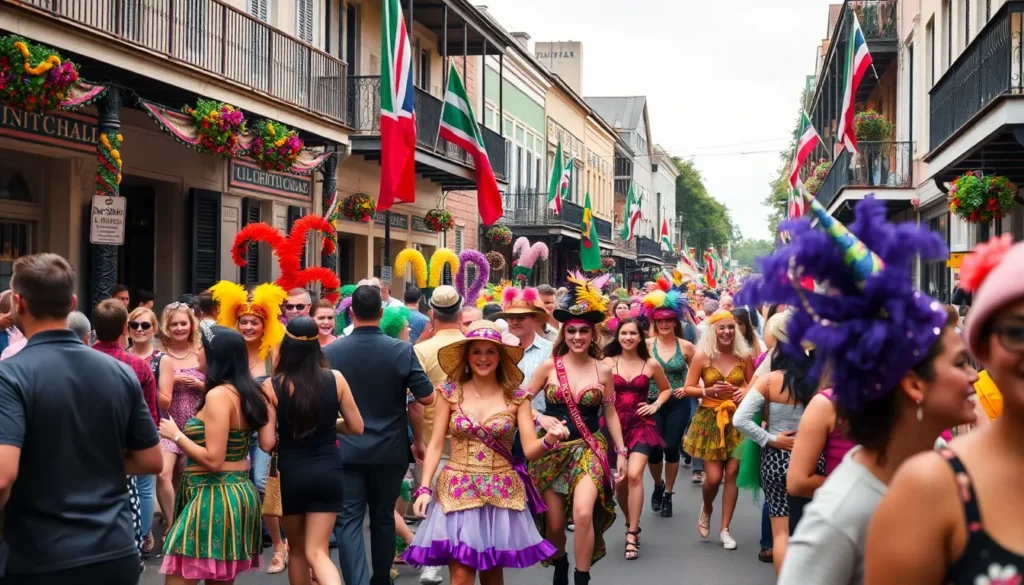
Exploring major cultural regions reveals the rich tapestry and diverse traditions that define human experiences across the globe.
Asia
Asia showcases incredible cultural diversity. From India’s vibrant festivals like Diwali to Japan’s serene tea ceremonies, each country offers unique traditions. Languages such as Mandarin Chinese and Hindi reflect distinctive worldviews. Culinary practices are varied, featuring dishes like sushi in Japan and curry in India. Religions like Buddhism and Hinduism thrive, influencing social structures and customs. This region serves as a crucial hub for ancient philosophies and modern innovations, shaping both local and worldwide culture.
Africa
Africa hosts a multitude of cultures. Over 3,000 ethnic groups contribute to a rich blend of traditions. Music remains a significant aspect, with genres like Afrobeat resonating globally. Festivals often center around agricultural cycles, such as the harvest celebrations in Mali. Art forms, including beadwork and pottery, showcase deep-rooted practices. Languages across the continent, such as Swahili and Zulu, reflect complex histories. This region’s resilience and adaptability illustrate a spirit of community and creativity.
Europe
Europe combines a rich history with modern cultural expressions. The continent is home to diverse languages and traditions, ranging from the romance of French cuisine to the robust flavors of Italian cooking. Artistic movements like Renaissance art continue to influence global creativity. Celebrations such as Oktoberfest in Germany and La Tomatina in Spain highlight unique customs. Moreover, Europe’s architectural styles, including Gothic and Baroque, demonstrate historical narratives through design. This region serves as a focal point for both tradition and innovation.
Americas
The Americas represent a fusion of cultures and traditions. North American pop culture, exemplified by Hollywood, contrasts with deep-rooted indigenous practices in South America. Festivals like Mardi Gras in New Orleans showcase vibrant local customs. Culinary diversity spans from Mexican tacos to Brazilian feijoada. Languages such as Spanish and Portuguese encapsulate the region’s varied influences. Social movements throughout history reflect a blend of indigenous, African, and European heritage. This dynamic interplay shapes identities and fosters cultural exchange.
Unique Cultural Practices
Unique cultural practices enrich societies around the globe. They offer insights into collective identities and shared histories.
Festivals and Celebrations
Festivals showcase the vibrancy of various cultures. India’s Diwali, celebrated with lights and sweets, symbolizes the triumph of good over evil. Meanwhile, Japan’s New Year emphasizes family gatherings and traditional rituals. In Brazil, Carnival captivates with its colorful parades and lively samba music, attracting millions. Each celebration reflects regional values and fosters community ties, presenting opportunities for artistic expression. Festivals build connections across generations, drawing visitors who seek to understand diverse cultural experiences.
Traditions and Customs
Traditions often define a culture’s essence. In many African communities, elders impart wisdom through storytelling, preserving history and values. European customs, like the Spanish siesta, influence daily life and promote work-life balance. Meanwhile, tea ceremonies in Japan embody mindfulness and appreciation for craftsmanship. Such customs serve as a means of passing down knowledge and reinforcing social bonds. As communities adapt to modern life, these practices evolve, yet they maintain ties to heritage, emphasizing resilience and continuity in cultural identity.
Influence of Culture on Identity
Culture plays a critical role in shaping identity. Traditions define behaviors and values, influencing how individuals perceive themselves. For instance, participating in festivals like Diwali connects individuals to their heritage, reinforcing a sense of belonging. The vibrant celebrations found in Brazil’s Carnival further illustrate community and identity through expressive dance and music.
Language also serves as a vital medium for cultural expression. Speaking over 7,000 languages, people convey worldviews unique to their cultural backgrounds. These languages carry traditions, stories, and historical narratives that inform personal and collective identity. Hence, the way language is used often shapes social relationships and cultural interactions.
Artistic expressions reflect cultural influences that shape identity. The storytelling practices in African communities highlight the importance of oral traditions, fostering connections with ancestry. Similarly, Greek dances convey rich historical narratives, embodying social values and communal pride.
Food acts as a significant cultural identifier. Culinary practices ranging from Bangkok’s spicy street food to Kyoto’s tea ceremonies represent cultural uniqueness, shaping individual and group identities. Each dish tells a story, connecting people to their roots and enhancing a sense of community.
Globalization merges diverse cultural elements, impacting identity formation. Exposure to various practices encourages individuals to adopt new customs while preserving their own cultural heritage. This ongoing exchange fosters dynamic identities that reflect both tradition and modernity.
Cultural influences are evident in daily life, guiding choices and interactions. Societal norms, shaped by cultural traditions, dictate behaviors that contribute to identity. Understanding these influences fosters appreciation for the diverse tapestry of identities worldwide.
Challenges Facing Global Cultures
Globalization presents significant challenges for many cultures. Loss of languages occurs as dominant languages, like English and Mandarin, overshadow local dialects. This language shift diminishes the richness of cultural heritage, impacting traditions tied to specific languages.
Cultural homogenization emerges as media and consumerism spread Western ideals, often leading to the erosion of unique cultural identities. Communities regularly struggle to maintain their distinct customs as they navigate the pressures of adapting to a globalized society.
Economic factors also play a role in cultural challenges. Many indigenous groups face economic hardship, which can pressure members to abandon traditional practices in favor of market-driven changes. This alteration often leads to a decline in artistic traditions, such as crafts or performances vital to community identity.
While technology connects cultures, it often misrepresents them. Misrepresentation can perpetuate stereotypes and diminish cultural authenticity in digital portrayals, reinforcing harmful narratives. Critics argue that this oversimplification threatens the depth and diversity of cultural expressions.
Environmental conditions pose additional threats. Climate change disrupts traditional lifestyles, especially for communities reliant on specific ecosystems. Those affected frequently find their cultural practices tied to their environments, making adaptation crucial yet challenging.
Maintaining cultural knowledge remains essential for future generations. Educators and cultural leaders emphasize the need for effective methods to transmit traditions and customs. Successful initiatives include community workshops and cultural festivals which foster pride in heritage and encourage younger members to engage.
These challenges create a complex landscape for global cultures. Navigating change while preserving identity continues to be a critical conversation, reflecting the intricate balance between adaptation and authenticity.
The world’s cultures are a testament to human creativity and resilience. Each tradition and practice adds depth to the global narrative, enriching lives and fostering connections. As globalization continues to shape interactions, the balance between embracing new influences and preserving heritage becomes increasingly vital.
Efforts to celebrate and protect cultural identities are essential for future generations. By recognizing the value of diverse perspectives, individuals can cultivate a greater appreciation for the rich tapestry of human experience. Ultimately, understanding and respecting these varied cultures will lead to a more inclusive and harmonious world.


