
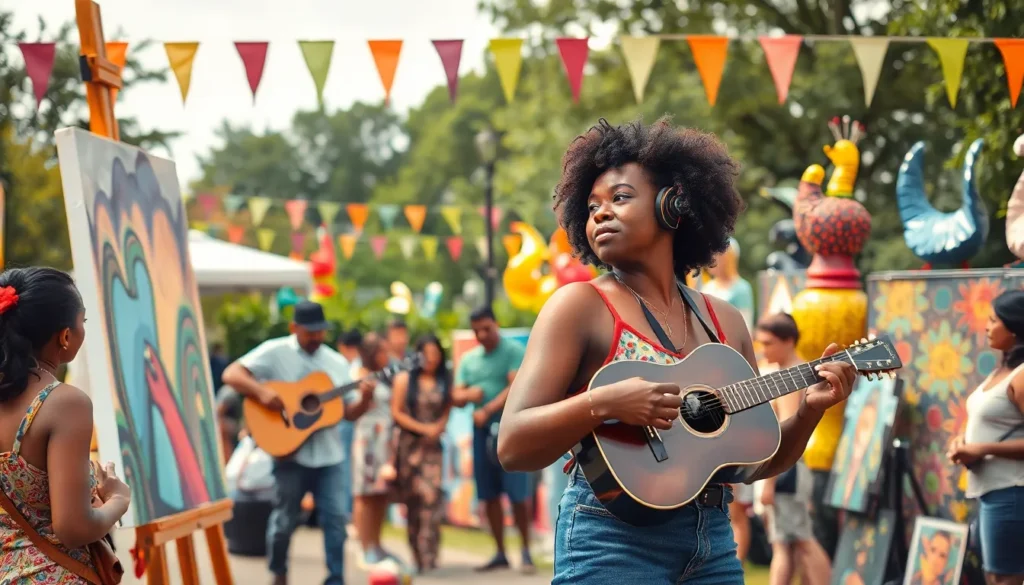
In a world buzzing with technology and fast-paced living, arts and culture often take a backseat, like that one friend who always shows up late to the party. Yet, they hold the key to enriching lives and fostering community bonds. Imagine a place where creativity thrives, laughter echoes, and diverse voices come together—this is the magic of arts and cultural focus.
Embracing arts and culture isn’t just about appreciating pretty paintings or catchy tunes. It’s about igniting passion, sparking conversations, and celebrating our shared humanity. So grab your beret or your dancing shoes, because diving into this vibrant realm might just be the best decision you make today. Let’s explore how an arts and cultural focus can transform communities and elevate everyday experiences, one brushstroke or beat at a time.
Understanding Arts and Cultural Focus
Arts and cultural focus encompasses various creative expressions and practices that shape individual and community identities. Engaging with these expressions fosters understanding and connection among diverse groups.
Definition of Arts and Cultural Focus
Arts and cultural focus refers to various activities, including visual arts, performing arts, literature, and cultural heritage. It emphasizes the significance of these elements in fostering individual expression and societal cohesion. Through art forms like painting, dance, and music, communities can explore identity while sharing diverse experiences. This focus promotes accessibility, actively inviting participation from all backgrounds. Engaging in arts and culture cultivates appreciation for creativity and encourages exploration of shared values. Ultimately, it reflects what it means to be human, capturing emotion and storytelling within each medium.
Importance in Society
Arts and culture play a critical role in building communities and enhancing quality of life. They provide platforms for dialogue and understanding among various cultural groups. Engaging in these activities stimulates creativity, encouraging innovation and critical thinking. Economic benefits also emerge, as the arts attract tourism and generate employment opportunities. Programs supporting arts initiatives often promote education and accessibility, fostering a sense of belonging. These activities contribute to social change, empowering voices that may otherwise remain unheard. Overall, prioritizing arts and cultural focus significantly enriches community life and personal experiences.
Key Components of Arts and Cultural Focus
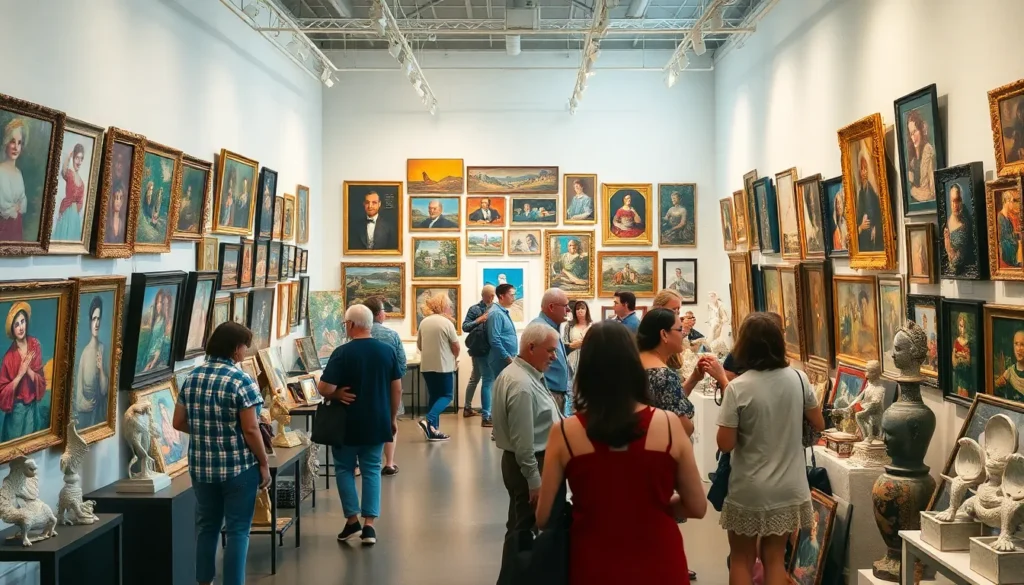
Arts and culture form the foundation of community identity and interaction. Engaging with these elements enhances our lives in numerous ways.
Visual Arts
Visual arts include paintings, sculptures, photography, and installations. Each medium offers a unique way to express emotions and ideas. Artists reflect experiences, cultural backgrounds, and social issues through their work. Galleries and public displays provide accessible platforms for artists and viewers alike. Communities benefit from art walks, showcasing local talent. Events often facilitate discussions around themes that resonate with diverse audiences. Public art installations boost civic pride, creating visual landmarks that spark interest and engagement.
Performing Arts
Performing arts encompass theater, dance, music, and performance art. Each genre offers varied experiences that engage audiences on multiple levels. Live performances foster a connection between artists and spectators. The vibrancy of a drama or the rhythm of a dance encourages emotional responses. Festivals often celebrate local talent and cultural heritage, inviting community participation. The inclusion of diverse performers enriches the cultural landscape, allowing for different narratives and perspectives. Engaging with performing arts strengthens the community’s collective identity and shared experiences.
Literature and Media
Literature and media encompass written works, film, and digital content. These forms of expression reflect societal values and challenge perspectives. Books and articles reach readers, fostering critical thinking and dialogue. Film and television create immersive experiences that impact cultural understanding. Engaging with diverse narratives promotes empathy and broadens worldviews. Workshops and book clubs encourage discussion and connection among individuals. Online platforms also provide avenues for sharing stories, enhancing community bonds. Arts and culture deepen connections through shared literary and media experiences.
Benefits of Emphasizing Arts and Cultural Focus
Prioritizing arts and cultural focus brings numerous advantages to communities and individuals alike. These benefits span various aspects including community engagement, economic impact, and personal development.
Community Engagement
Community engagement thrives through arts and cultural initiatives. Locals participate in events like art walks and festivals, creating shared experiences. Public art installations spark conversations and foster connections among diverse groups. These interactions promote inclusivity, drawing individuals from various backgrounds into the creative process. Engaging with arts enriches social ties and strengthens community identity.
Economic Impact
The economic impact of arts and culture is significant. Cultural events attract tourists, boosting local economies and supporting businesses. Increased foot traffic from festivals leads to higher sales for shops and restaurants. Employment opportunities emerge in arts education, production, and event management, contributing to economic stability. Investing in arts generates long-term economic benefits beyond mere financial gain.
Personal Development
Personal development flourishes through engagement in arts and culture. Individuals explore creativity, honing skills in various disciplines like painting, acting, or writing. Participating in artistic activities cultivates emotional intelligence and resilience. Exposure to diverse artistic expressions broadens perspectives and promotes empathy. These experiences enhance individual growth, leading to well-rounded, culturally aware citizens.
Challenges in Promoting Arts and Cultural Focus
Promoting arts and cultural focus presents several challenges that hinder its growth and engagement.
Funding and Resources
Funding remains a primary obstacle for many arts organizations. Limited public funding restricts opportunities for showcasing talent and hosting events. Many cultural institutions rely on grants or private donations, making them vulnerable to economic fluctuations. Innovative fundraising strategies can bridge these gaps, yet they often require substantial time and effort. Small organizations may struggle to secure adequate resources, impacting their programming and outreach. Collaboration among entities can maximize resource usage, yet potential partnerships are frequently underexplored.
Accessibility Issues
Accessibility issues arise when engaging diverse audiences in the arts. Various socioeconomic barriers can prevent participation, limiting exposure for marginalized communities. Physical accessibility at venues often lacks necessary accommodations, deterring individuals with disabilities. Language barriers and cultural differences can create additional challenges in attracting participants from diverse backgrounds. Innovative solutions, such as community engagement initiatives, can address these issues, but they often face logistical constraints. Programming needs to reflect community diversity, yet underrepresentation persists, limiting the impact of cultural initiatives.
Embracing arts and culture is vital for fostering vibrant communities and enriching individual lives. These creative expressions not only ignite passion but also bridge gaps between diverse backgrounds. By prioritizing arts and cultural focus, communities can cultivate inclusivity and stimulate economic growth while enhancing personal development.
Despite the challenges faced in promoting these initiatives, innovative solutions and community engagement can pave the way for a more accessible and thriving cultural landscape. As individuals engage with the arts, they contribute to a shared narrative that celebrates humanity and fosters deeper connections. The journey into the world of arts and culture is one that promises to transform lives and uplift communities, creating a legacy of creativity and collaboration for future generations.


