
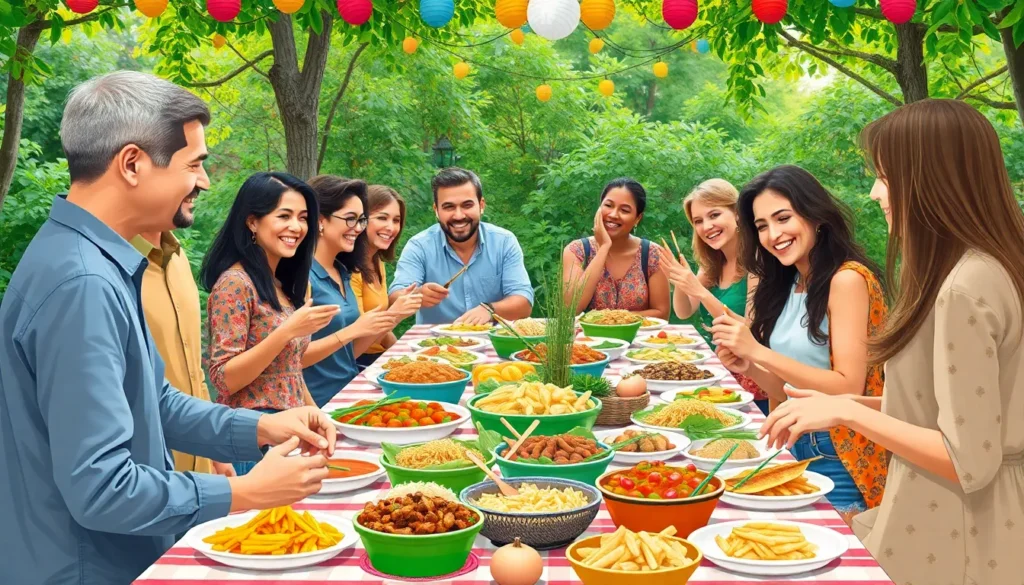
Cultural diffusion is like the ultimate potluck dinner of human history—everybody brings a dish, and before you know it, everyone’s sharing recipes and flavors. It’s the process where ideas, customs, and technologies leap from one culture to another, creating a delicious blend of traditions and innovations. Ever wondered how sushi made its way from Japan to your local grocery store? Or how yoga transformed from ancient India into a trendy workout?
Overview of Cultural Diffusion Facts
Cultural diffusion occurs when one culture adopts elements from another. This process influences countless aspects of everyday life, from food to technology. For example, sushi originated in Japan but now appears in grocery stores and restaurants worldwide. Similarly, yoga transitioned from an ancient practice in India to a fitness regimen embraced globally.
Movement of people plays a crucial role in this exchange. Migration facilitates the sharing of traditions, customs, and practices. Historic trade routes often served as conduits for ideas. The Silk Road allowed for cultural interactions between East and West, significantly impacting art and commerce.
Exploration also spurred cultural diffusion. European explorers introduced new crops and customs to the Americas, altering indigenous lifestyles. The Columbian Exchange exchanged plants, animals, and technology, creating lasting changes in global agriculture.
Archaeological evidence highlights cultural diffusion in ancient civilizations. Artifacts from Egypt reveal influences from neighboring cultures, suggesting exchanges of ideas and materials. Additionally, language evolution showcases this phenomenon, with many languages borrowing terms from one another over centuries.
Modern globalization accelerates cultural diffusion further. The internet provides immediate access to diverse cultural expressions. Social media platforms facilitate instantaneous sharing of customs and trends across continents. As a result, fusion cuisines and hybrid art forms emerge, reflecting this cultural intermingling.
Awareness of cultural diffusion contributes to understanding global interconnectedness. Recognizing the origins of cultural elements enriches appreciation for diversity. Studying these dynamics fosters cross-cultural dialogue and collaboration essential in today’s global society.
Types of Cultural Diffusion
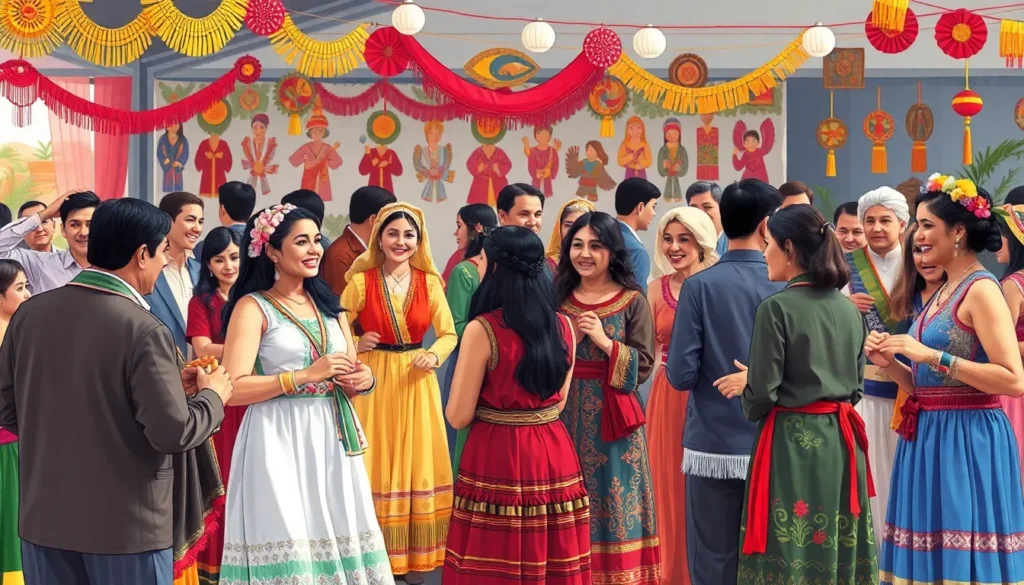
Cultural diffusion occurs through various types, each reflecting unique mechanisms of exchange. Understanding these types clarifies how cultures influence one another.
Direct Diffusion
Direct diffusion occurs when one culture adopts elements from another through personal interaction. An example involves immigration, where individuals bring their customs, traditions, and languages with them. This exchange enriches the receiving culture by incorporating new practices. In many cities, neighborhoods thrive on these direct exchanges, creating diverse cultural landscapes. Festivals, cuisine, and even clothing styles demonstrate this process in action, showcasing a blend of influences that shape social dynamics. Personal relationships often strengthen these ties, making cultural adaptation more meaningful and lasting.
Indirect Diffusion
Indirect diffusion happens when cultural elements spread through intermediaries rather than direct contact. Trade routes play a significant role in this process, historically facilitating the exchange of goods and ideas. For instance, the Silk Road allowed the movement of art, technology, and religion between diverse civilizations. Additionally, media such as films, books, and the internet contribute to this diffusion by sharing cultural narratives with wide audiences. As people consume these media, they absorb and adapt foreign cultural elements into their lives. Innovations in technology accelerate indirect diffusion, spreading trends across the globe almost instantaneously.
Factors Influencing Cultural Diffusion
Cultural diffusion occurs due to various influencing factors, shaping how ideas, customs, and technologies spread across societies.
Technology and Communication
Rapid advancements in technology dramatically impact cultural diffusion. The internet connects individuals globally, making cultural exchanges instantaneous. Social media platforms facilitate the sharing of ideas, allowing users to access diverse cultural content. Mobile communication enables real-time interactions, leading to the blending of traditions. Streaming services introduce global entertainment, merging different cultural expressions. New communication technologies promote awareness and appreciation of cultural diversity, accelerating the diffusion process.
Trade and Migration
Trade routes establish channels for cultural exchange, facilitating the movement of goods and ideas. Historic routes like the Silk Road enabled merchants to share not only commodities but also customs and technologies. Modern trade continues this legacy, creating a platform for cultural intermingling. Migration serves as another key factor in cultural diffusion. Individuals relocating to new regions bring their traditions and practices, enriching the local culture. Neighborhoods reflect this blend as diverse communities celebrate their unique heritages through festivals and food.
Historical Examples of Cultural Diffusion
Cultural diffusion manifests in various historical contexts, reflecting the exchanges that shape societies across time.
The Silk Road
The Silk Road served as a pivotal trade network connecting Asia, Europe, and Africa. Merchants exchanged not only silk but also spices, technology, and ideas. The movement of goods facilitated interactions between diverse cultures, leading to significant cultural exchange. Chinese papermaking techniques influenced Islamic scholars, while the introduction of spices transformed European cuisine. Travelers along the Silk Road, including traders and diplomats, played crucial roles in this intercultural dialogue. Through this extensive network, cultural elements spread widely, showing how interconnected societies adapt and evolve.
The Spread of Religion
Religious beliefs have historically traversed borders, deepening connections between cultures. Buddhism, for instance, spread from India to East Asia, impacting art, philosophy, and local traditions. The movement of missionaries introduced Christianity to various regions, altering social norms and practices. Trade routes often doubled as conduits for these beliefs, enriching the cultures they touched. Hinduism’s influence can be seen in Southeast Asia, where local customs blend with Indian traditions. The diffusion of religion illustrates how spiritual practices shape and reflect the identities of societies globally.
Modern Impacts of Cultural Diffusion
Cultural diffusion shapes modern societies in diverse ways. Food, fashion, and technology reflect these influences, as culinary traditions blend seamlessly. Sushi restaurants appear in major cities worldwide, showcasing Japan’s culinary art. Yoga studios flourish across the globe, integrating ancient practices into contemporary fitness regimens.
The internet accelerates cultural exchanges, allowing ideas and trends to spread instantly. Social media platforms enable users to share cultural content, from music to art, on a massive scale. Hybrid music genres emerge as artists fuse styles from different cultural backgrounds.
Fashion trends also illustrate cultural diffusion’s impact. Designers often draw inspiration from various cultures, creating clothing that reflects global influences. Festivals celebrate these blended traditions, showcasing rich, multicultural experiences that attract diverse audiences.
Technology facilitates direct interactions between cultures. Migration leads to the establishment of multicultural communities, enriching local customs and lifestyles. Traditional celebrations evolve as immigrants introduce their customs, creating a tapestry of cultural expression.
Education systems adapt as cultural diffusion influences curricula. Schools introduce students to global perspectives, ensuring awareness of diverse cultures. Language learning includes terms and phrases borrowed from different languages, fostering cross-cultural communication.
Cultural diffusion significantly impacts modern life, evident in food, fashion, technology, and education. Organizations and individuals contribute to this dynamic exchange, enhancing appreciation for shared human experiences.
Cultural diffusion plays a vital role in shaping societies and fostering connections among diverse groups. By blending traditions and ideas, it enriches everyday life and encourages a deeper understanding of various cultures. The ongoing exchange of customs through migration, trade, and technology continues to transform communities worldwide.
As globalization accelerates the pace of cultural interactions, the impact of cultural diffusion becomes increasingly evident in food, fashion, and technology. Embracing these exchanges not only enhances individual experiences but also promotes a more inclusive and interconnected world. Recognizing the significance of cultural diffusion is essential for appreciating the rich tapestry of human existence and fostering a spirit of collaboration and respect among cultures.


